Information
Landmark: La Cueva de los NaturalistasCity: Lanzarote
Country: Canary Islands
Continent: Europe
La Cueva de los Naturalistas, Lanzarote, Canary Islands, Europe
Overview
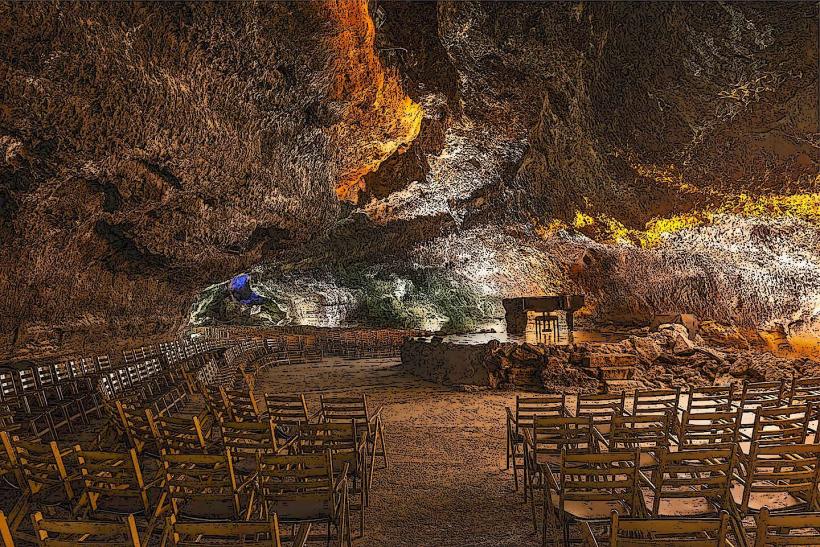
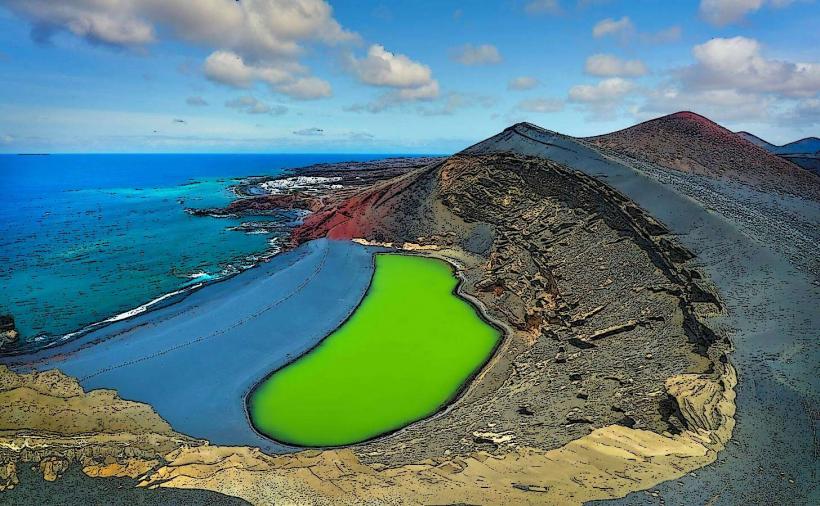
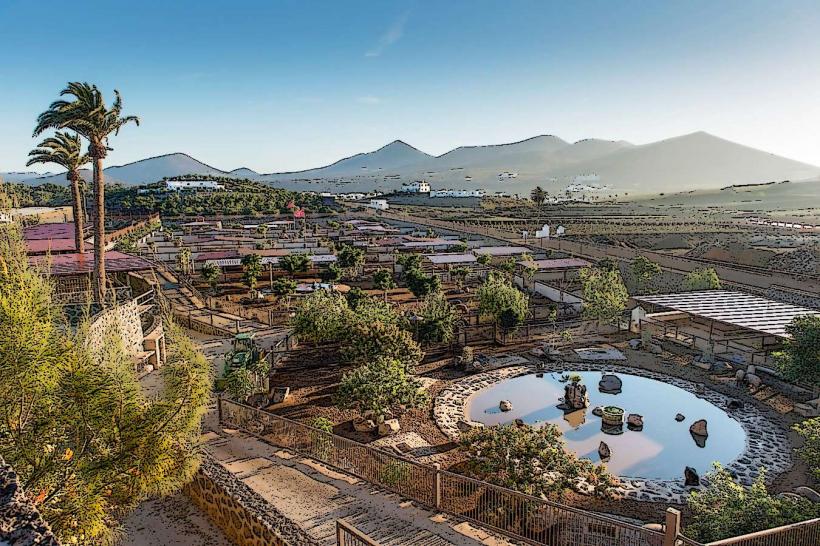
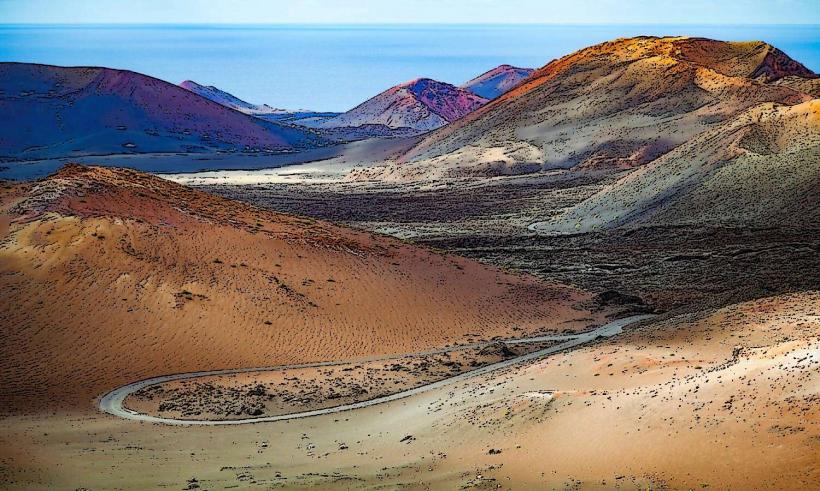
La Cueva de los Naturalistas, or the Cave of the Naturalists, sits in Lanzarote’s southwest, a short drive from Yaiza, where the dusky volcanic rock stays cool even at midday, besides visitors flock to this natural formation to observe the island’s rugged volcanic slopes and its rare, twisted rock patterns, in a sense Naturalists who once studied the island’s plants and wildlife gave the cave its name, drawn by its deep ties to Lanzarote’s natural history, besides la Cueva de los Naturalistas may not draw the crowds that flock to Jameos del Agua or Cueva de los Verdes, but step inside and you’ll find a quiet tunnel of cool stone, perfect for anyone eager to explore the island’s hidden underground.With its striking architecture, quiet tree-lined paths, and rich past, it draws you in and makes you want to linger, as a result highlights of La Cueva de los Naturalistas, where cool stone walls echo with every step, somewhat Like many caves on Lanzarote, La Cueva de los Naturalistas took shape from molten lava, cooling into shadowy, twisting passages, in addition lanzarote was born from fierce volcanic eruptions millions of years ago, when molten rock poured across the land and hardened into the island we spot today.Like many on the island, this cave took shape when lava cooled into stone, leaving behind twisting tunnels and hollow chambers beneath the ground, to boot the cave winds through a network of tunnels and hidden chambers, where lava long ago carved ridges and ripples into the stone.Smooth volcanic rock coats the cave’s walls and ceilings, cool beneath your fingertips, and the space stays easy enough to navigate for visitors used to exploring natural caves, on top of that number two.The cave takes its name from the naturalists who once roamed the area, jotting notes on wildflowers and watching birds flit through the trees, simultaneously the scientists were drawn to the cave’s unusual ecosystems, from the moss clinging to damp walls to the strange fish gliding through its shadowy pools.From the cave’s perch, they could take in the sweeping volcanic slopes and watch hardy ferns and quick-footed lizards making a life in the island’s brutal heat, consequently in that cave, early naturalists and explorers of Lanzarote studied the island’s biodiversity, sometimes crouching by flickering lantern light to examine rare insects, loosely Lanzarote’s volcanic soil and dry winds have created a one‑of‑a‑kind landscape, and the cave’s ecosystem offered rare insight into the island’s plants, insects, and wildlife, meanwhile three, partially Flora and Fauna – A Unique Ecosystem: The cave and its rocky surroundings shelter creatures and plants finely tuned to Lanzarote’s dry, sun-baked air, at the same time scorching heat and scarce water make survival tough for most creatures, yet a few hardy plants and animals have adapted, like cacti storing water in their thick, green stems.In this cave, miniature colonies of bats cling to the dim ceiling, much like in many other caves across Lanzarote, in conjunction with these bats help keep insect numbers in check, snapping up moths and beetles as they dart through the night, for the most part You might spot beetles glinting in the dim light or hear tiny creatures rustling, all perfectly suited to the cave’s damp, heavy air, in conjunction with flora: The cave’s interior holds little greenery, but just outside, you’ll find distinctive Canarian plants-tough shrubs and succulents clinging to the murky, volcanic soil under the boiling sun.Many of these plants grow naturally in the Canary Islands, thriving across the landscape, especially near the cave where their leaves catch the warm, salty breeze, therefore number four.Visiting La Cueva de los Naturalistas feels wilder than the polished tourist spots in Lanzarote, with rough stone underfoot and the air cool and damp, making it an adventure in its rawest form, alternatively most people reach the cave on foot, so be ready for rough, uneven ground that can catch at your boots, in some ways If you’re heading into the cave, wear sturdy shoes-you’ll want solid footing on the damp, uneven rock, not only that tours and exploration here aren’t like the heavily marketed caves elsewhere on the island-you might not find a guide waiting at the entrance.You can still visit the cave on your own, maybe hearing your footsteps echo off the damp stone walls, in conjunction with take care while exploring-some paths twist sharply or narrow without warning, making them tricky to navigate.The site has no major facilities, so pack plenty of water, a few snacks, and something for the sun-the cave sits far out in the dry, open hills, to boot safety: The cave is wild and untouched, so watch your step as you explore-loose rocks can shift underfoot.Some parts of the cave squeeze tight and make you work to get through, so tread lightly and leave the bats and other wildlife undisturbed, therefore five, perhaps The best time to visit, therefore almost any month-Lanzarote stays dry and sunny, with only the occasional light rain.You can visit the cave any time of year, but in summer the heat can climb rapid, making the air feel close and heavy, subsequently for a cooler, more pleasant trip, go early in the morning or wait until late afternoon.Because the cave doesn’t draw many tourists, you’ll often find it calm and still-just the drip of water echoing off the stone-making it perfect for anyone wanting to slip away from the crowds, in conjunction with if you can, go on a weekday or during the off-season-when the paths feel quiet and you can hear your own footsteps.Why visit La Cueva de los Naturalistas, as a result this tucked-away cave lets you step into cool, shadowy passages and discover one of Lanzarote’s rare hidden wonders, more or less Here, visitors can trace the island’s volcanic roots and explore its natural history, pausing to take in the soft hush of Lanzarote’s untamed hills, furthermore whether you love nature, geek out over rock formations, or just want to wander somewhere quiet and untouched, this cave is worth the trek.Naturalists have long studied Lanzarote’s ecosystem here, giving the site a rich educational pull, while the cave’s quiet seclusion-cool air and soft echoes-offers a calm escape from the crowds, moreover step into La Cueva de los Naturalistas and you’ll feel Lanzarote’s volcanic past under your feet, while rare lichens cling to the rocks around you, revealing its extraordinary biodiversity.
Author: Tourist Landmarks
Date: 2025-09-08